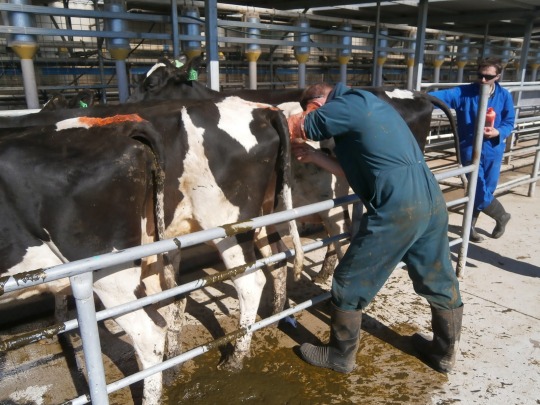
Overview
Assisted Reproductive Technologies (ARTs) represent one of the most significant advances in modern animal science. From artificial insemination to embryo transfer and in vitro fertilisation, these techniques offer immense potential for accelerating genetic improvement in livestock populations.
Nigeria's livestock sector, which contributes significantly to national GDP and household food security, stands to benefit enormously from the systematic adoption of these technologies. Yet the gap between what is scientifically possible and what is routinely practised remains wide.
Key Technologies
The major ARTs currently available to animal reproduction practitioners include:
- Artificial Insemination (AI) — the most widely practised ART globally, allowing the genetic material of superior sires to reach a large number of females.
- Embryo Transfer (ET) — enables a high-value donor female to produce far more offspring than would be naturally possible.
- In Vitro Fertilisation (IVF) — particularly valuable for producing embryos from animals with impaired fertility or from postmortem material.
- Semen Cryopreservation — the backbone of international germplasm exchange.
Challenges in the Nigerian Context
Despite the promise of these technologies, several barriers limit their adoption:
- Inadequate cold chain infrastructure for semen and embryo storage
- Limited training opportunities for practitioners in advanced techniques
- High cost of equipment and consumables relative to livestock market values
- Fragmented regulation of germplasm importation
The Way Forward
SARI is positioned to play a critical role in closing these gaps. Through structured continuing education, partnerships with international bodies such as ICAR, and policy advocacy, the society can support a more enabling environment for ART adoption.
"The deliberate application of reproductive biotechnology is no longer optional for a country serious about food security." — SARI Founding Statement
Members are encouraged to submit their research and field experiences to the Journal of Animal Reproduction and Improvement (JARI) for peer-reviewed publication.
For more information on SARI membership and the JARI journal, visit sari-animalreproduction.org.